
If you are a coffee fan, do not worry, this post is not about giving up coffee, nope, it’s even better. If you are not a regular coffee drinker, or do not even drink coffee at all, stay tuned, this one is great for you too! Coffee is amazing for all kinds of so called claimed health benefits, but coffee might also have unwanted side effects so to speak. Basically, it just depends on which side of the table would you like to sit when it comes to nutritional debates, simply because you can find studies that prove both the benefits, as well as the unwanted side effects or not so friendly other compounds which can be debated for a very long time, but this is not the topic for today.
Today, is about some sort of fasting from coffee from time to time, which I found pretty useful. What I mean is that just like other addictive substances, since coffee is considered a socially approved addiction, lets just call it this way, with no stigma, it could be interesting to test how you react and how you feel when you get off coffee. You just drink less cups per day or just like fasting, you go a longer time frame without the coffee cup. How about an experiment just to see what happens if. ? . the results might be mind-blowing, and just like fasting and intermittent fasting, there is no forever element in here, it is simply a way to improvise, a suggestion that we make, as we loooove to improvise here @ impRAWvise. Wink wink!
To share my personal experience with coffee fasting, I would love to start with an interesting concept, that I at first I though its going to be impossible to put into practice (hmmm…. perhaps the coffee addiction was speaking, I do not know, no judgement here), but then, I decided to try it and it was so amazing. Studies have shown that it is best to drink your coffee at least around 2 hours after you wake up in order to make the best out of your cognitive function capacities and abilities. I tried it this week and here it is how it went:
- first day it was a bit awkward, but I kept myself pretty busy, and I think I actually ended up drinking coffee after breakfast so around 3-4 hours after waking up.
- second day it got easier, no weird symptoms at all, I only had one coffee somewhere in the afternoon, in between meals. I normally have around 2 cups per day.
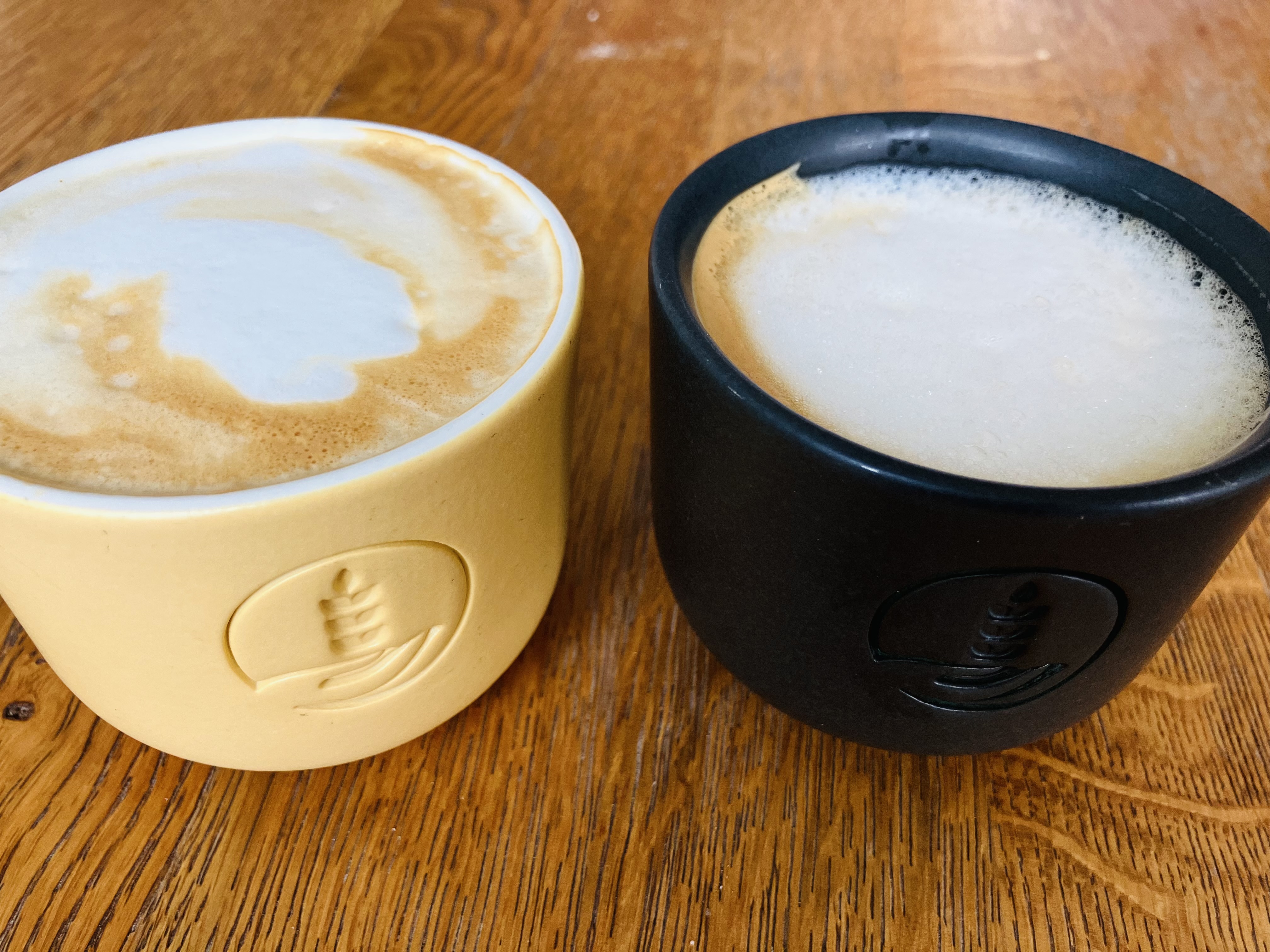
3. third day I had 2 cups of coffee after meals, the only problem was that my last meal was at 6 pm so I had a light coffee after that, my sleep was pretty ok, but of course a bit disrupted by the caffein, still, in the morning it was great I did not even think about coffee at all. As the experts advise its best to have at least 6-7 hours in between last cup of coffee and the time we go to sleep.
4. forth day is the day I am writing this post. I had coffee after breakfast, which was pretty much a bruch today so around 13 o clock in the evening, and then I did not even feel like a second cup of coffee now as I am writing this post in the afternoon I am simply enjoying some green tea.
I think it’s a pretty interesting experiment so far and I am really looking forward to see how it evolves in the following weeks. I feel so much clarity in my mind in the morning, I feel well rested, my energy is better conserved through out the day, without crushes or highs and lows its simply amazing how a simple change can impact so many things. And most importantly, my anxiety levels went down as well, which is absolutely amazing for someone who has been since for ever been struggling and is still, at times struggling with those panic attack symptoms and the already mentioned anxiety.
Of course, one last mention, a very important one, I replaced my morning coffee with green tea, I know know still has some caffeine in it, but I am not striving for perfection here, but instead for seeing some benefits, some progress along the way. Studies have shown anyway that green tea and even mate are good replacement options. So, following the principles of fasting or intermittent fasting and applying them to coffee consumption have been bringing some pretty powerful insights into my life, as already proven by numerous studies.
The element of personalisation is something we do for ourselves individually, but just knowing that there is some flexibility inside the process can make a huge difference between being curious, trying things out and even getting out of our conform zones while optimising our health and overall wellbeing, versus staying in our conform zones and complaining about a lack of control or a lack of will, when this is not about not at all about will power, but it is instead about doing what’s best for you and what works for you and in order to be able to do that, you have to test and implement, improvise, find your way and than repeat the entire process all over again.
 impRAWvise
Leave a comment