
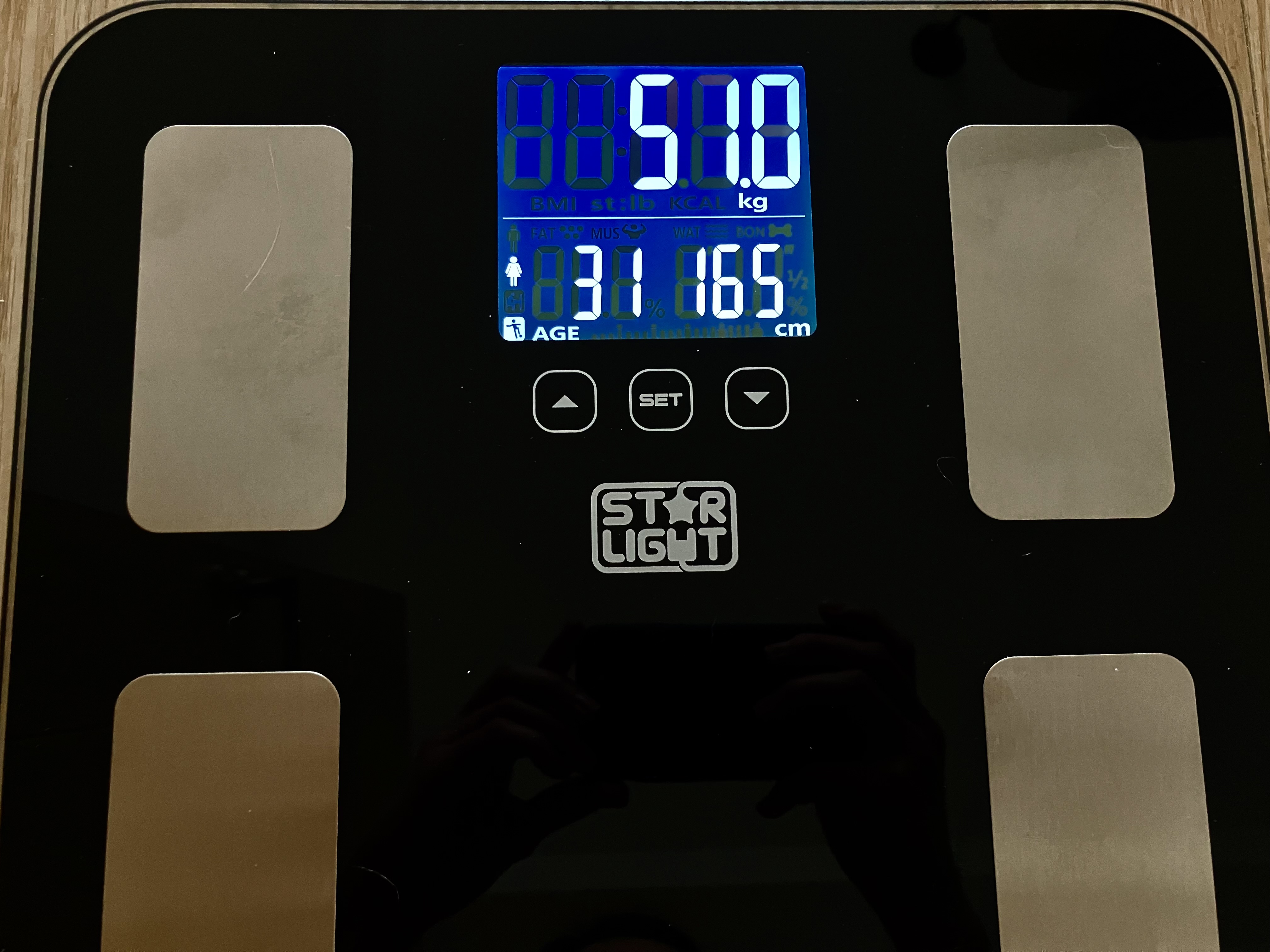
This used to be a very sensitive subject for me for a very long timeframe, not only because I was and still am pretty much attached to the need to have a certain number on the scale or be bellow a certain number on the scale, but also because it used to be a very strong trigger for my overall well-being and health on a day to day basis. The truth is that numbers although they are a metric and useful tool for making and measuring changes, they can be tricky at times, and not just that but there are also all kinds of ideas that hunt us as a society in terms of what is the best new diet or shape that we should try to fit ourselves into. For me personally, numbers have definitely been tricky over time. Sometimes useful for noticing causes and circumstances, some other times not so useful as it all turned into a somehow obsessive attempt.
Sometimes it can be an interesting experiment to track numbers, such as metrics used for body measurements, blood tests and so on and so forth, but as previously said, it can also be a some kind of a rabbit hole. Numbers definitely have to potential to become addictive, so to speak as they might trigger some dopamine along with other neurotransmitters along their way, but we must be conscious of this so that it is done mindfully and with our best intentions in mind. When it comes to people struggling with weight problems, and by weight problems I do not mean only overweight or obese which is very often what is understood under this category but also, people who might be struggling with underweight, or maybe they are ok with it not necessarily struggling but it might need a little reevaluation in order to make sure it all for the best.
Anorexia (extreme low weight) and orthorexia (obsession with proper or healthy eating) are only two types of eating disorders but, no matter where you might be on the spectrum, even if it is not the full blown medical disorder, it can still be dangerous and have contrary effects on the overall well-being of oneself. I have personally struggled with both in the past and with proper care, nourishment, it does get better with time, but also this is having a pretty high recurrence rate so one might be careful if one notices the behaviours associated with those states interfering with ones life on a regular basis. Bulimia also comes along by itself or in combination with anorexia many times and it can be a contributing factor to subtle weight shifts and fluctuations. Whenever in doubt about dealing with any of these eating disorders it is best to consult a professional for help and support towards overcoming and getting a better handle of the situations in life that might be triggering or contributing to those events.
There are also less impactful aspects of weight fluctuation, but those should also be treated with respect especially when they occur on a regular basis. For example water retention from food sensibilities or excessive salt, excessive intake of processed foods and many other factors can contribute to shifts and changes in weight in a pretty short amount of time, there can also be changes in diet, and of course there are the normal shifts in weight that one goes though as a part of the cycle of life, for example during the day, during one week, it depends of course on a lot of factors, which include not only what one eats, but also how hydrated you are, how much you move or sweat and so on and so forth. Sleep can also impact significantly insulin response, can impact eating habits during the day and as a result of course can impact weight as well. The choices that we make on a day to day basis as well as on a larger scale are the building blocks of our own health and overall wellbeing and in time those little blocks add up and determine our body’s natural state of health and well-being our capacity to extract nutrients and not only that but of course being mindful, happy and thriving as we live our lives to the fullest.
 impRAWvise
Leave a comment